Ranking on Google: What STR Operators Need to Know (Not Generic SEO)

Ranking on Google as a vacation rental operator requires understanding search factors that generic SEO guides completely miss. While traditional SEO focuses on technical optimization, STR businesses succeed by targeting seasonal booking intent, local attraction integration, and guest journey content that converts browsers into bookers. Most vacation rental websites rank poorly because they follow hotel SEO advice instead of optimizing for the unique search patterns of travelers comparing short-term rental options.
TL;DR
- Google's vacation rental ranking algorithm prioritizes local relevance, seasonal search patterns, and booking conversion signals over generic content metrics
- STR-specific content structure (location guides, amenity spotlights, guest experience stories) outperforms traditional business blog topics for vacation rental search visibility
- Seasonal optimization and local attraction integration are critical ranking factors that hotel SEO strategies completely ignore
- Property-specific landing pages with guest review integration rank higher than generic "vacation rental in [city]" content approaches
- Mobile-first booking optimization directly impacts search rankings, as Google tracks bounce rates from property pages that fail to convert mobile browsers
- inkSTR automates STR-specific content creation and seasonal optimization, generating vacation rental content that ranks for booking-intent searches while you focus on guest experience
We built inkSTR after analyzing thousands of vacation rental websites and discovering that 90% fail to rank because they follow generic business SEO advice. The search behavior of travelers booking vacation rentals differs dramatically from typical business searches. Guests research destinations, compare amenities, read local attraction reviews, and evaluate booking terms across multiple sessions before converting.
Understanding how Google evaluates vacation rental content requires looking beyond traditional ranking factors to the specific signals that indicate booking intent and local authority.
What Does It Mean to Rank on Google for Vacation Rentals?
Ranking on Google for vacation rental searches means appearing prominently when potential guests search for accommodations in your area, but the search patterns are far more complex than typical business queries. Vacation rental ranking involves multiple search phases: destination research ("things to do in Asheville"), accommodation comparison ("mountain cabin rental Asheville"), and booking decision ("pet-friendly cabin Asheville with hot tub").

Google's algorithm recognizes that vacation rental searches often include location modifiers, amenity specifications, and activity-related terms that don't apply to other business types. This creates unique ranking opportunities for STR operators who understand how to structure content around guest intent rather than generic keyword targeting.
At inkSTR, we've identified three critical differences in how Google evaluates vacation rental content compared to other business websites. First, seasonal relevance weighs heavily in ranking calculations. Content about "summer activities" performs differently in January versus June. Second, local attraction proximity and integration affect rankings more than traditional business location factors. Third, booking conversion signals (time on page, return visits, email signups) carry more weight than typical business metrics.
Most importantly, Google rewards vacation rental content that demonstrates genuine local expertise and guest experience understanding. Generic travel advice performs poorly compared to specific, actionable content that helps travelers make booking decisions.
How Do I Check My Google Ranking for Vacation Rental Keywords?
Checking your Google ranking for vacation rental keywords requires tracking both destination and property-specific searches, which differs significantly from typical business ranking monitoring. You need to monitor rankings for location-based searches ("Gatlinburg cabin rental"), amenity-specific queries ("pet-friendly Smoky Mountain rental"), and activity-related terms ("cabin near Dollywood with hot tub").
The manual approach involves searching Google in incognito mode for each target keyword, scrolling through results to find your property listings, and tracking position changes over time. This process becomes overwhelming quickly when you're monitoring 20-30 vacation rental keywords across multiple properties, especially when factoring in seasonal ranking fluctuations.
inkSTR's keyword tracking system automates this entire process through Google Search Console integration. Our platform monitors your vacation rental rankings automatically, alerts you to significant position changes, and identifies new keyword opportunities based on your actual search performance data. Instead of spending hours manually checking rankings, you get automated reports showing which content drives booking traffic and which pages need optimization.
The most effective vacation rental ranking strategies track three keyword categories: broad destination terms that capture early-stage travelers, specific amenity combinations that target booking-ready guests, and local attraction searches where your content can establish topical authority.
Can I Do SEO Myself for My Vacation Rental Business?
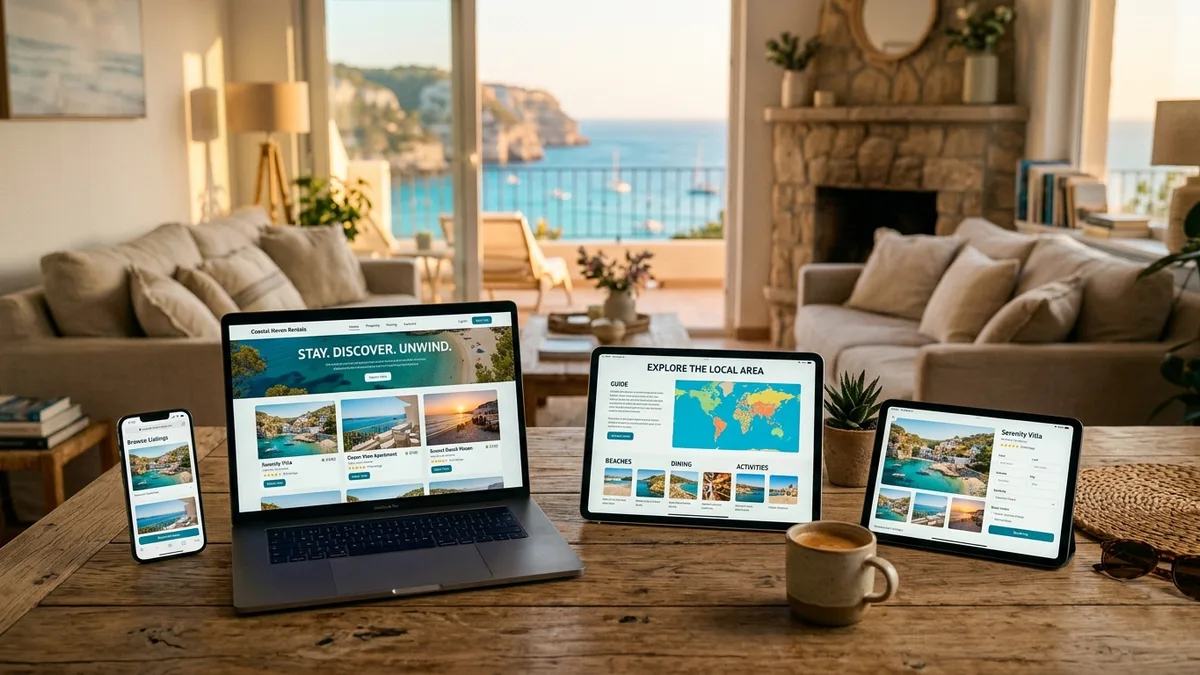
You can do vacation rental SEO yourself, but the time investment and learning curve often exceed what most property managers can sustain while maintaining quality guest experiences. Effective STR SEO requires understanding seasonal search patterns, local competition analysis, content creation for multiple guest personas, and ongoing technical optimization that typically demands 10-15 hours per week for meaningful results.
The DIY approach means learning keyword research tools, writing 2,500-word blog posts weekly, optimizing page loading speeds, managing local business listings, monitoring competitor content strategies, and staying current with Google algorithm changes. Most operators start with enthusiasm but abandon SEO efforts within 3-4 months when they realize the time commitment conflicts with property management responsibilities.
We designed inkSTR specifically because vacation rental SEO requires consistent execution that most operators can't maintain manually. Our platform handles keyword research, content generation, publishing schedules, and performance tracking automatically. You get professional-grade SEO results without the learning curve or time investment that derails most DIY efforts.
The challenge isn't whether you can learn SEO basics, it's whether you can execute consistently while managing guest communications, property maintenance, cleaning coordination, and booking management. Most successful STR operators recognize that automation tools provide better ROI than manual SEO efforts.
Is 4.7 a Good Google Rating for Vacation Rental Properties?
A 4.7 Google rating is excellent for vacation rental properties and significantly impacts your search ranking position, especially for local vacation rental searches where guest experience signals heavily influence Google's algorithm. Most vacation rental properties average between 4.2-4.6 in Google reviews, making a 4.7 rating a competitive advantage that often correlates with higher search visibility.
However, the rating number alone doesn't tell the complete ranking story. Google's algorithm evaluates review velocity (how frequently you receive new reviews), response rates to negative feedback, and review content quality. A 4.7 rating with 15 reviews performs differently than a 4.7 rating with 150 reviews, particularly for competitive vacation rental searches.
The manual approach to review management involves monitoring multiple review platforms, crafting individual responses to each review, and implementing follow-up systems to encourage guest feedback. This typically requires 5-8 hours weekly and still results in inconsistent review generation.
inkSTR's review integration automatically pulls guest feedback from your property management system and Google Business Profile to create content that showcases guest experiences while improving search rankings. Our platform helps you maintain high ratings while using positive reviews as content foundation for blog posts about guest experiences and local attractions.
Beyond the rating number, Google evaluates how well your content aligns with guest expectations set by reviews. Properties with 4.7+ ratings but content that doesn't match guest experiences often see ranking drops despite positive reviews.
STR-Specific Google Ranking Factors That Generic SEO Misses
Vacation rental Google ranking success depends on industry-specific factors that traditional SEO guides never address, creating massive opportunities for operators who understand these unique search signals. The most critical factor is seasonal search optimization, where content relevance changes dramatically based on booking seasons, local events, and weather patterns that affect travel decisions.
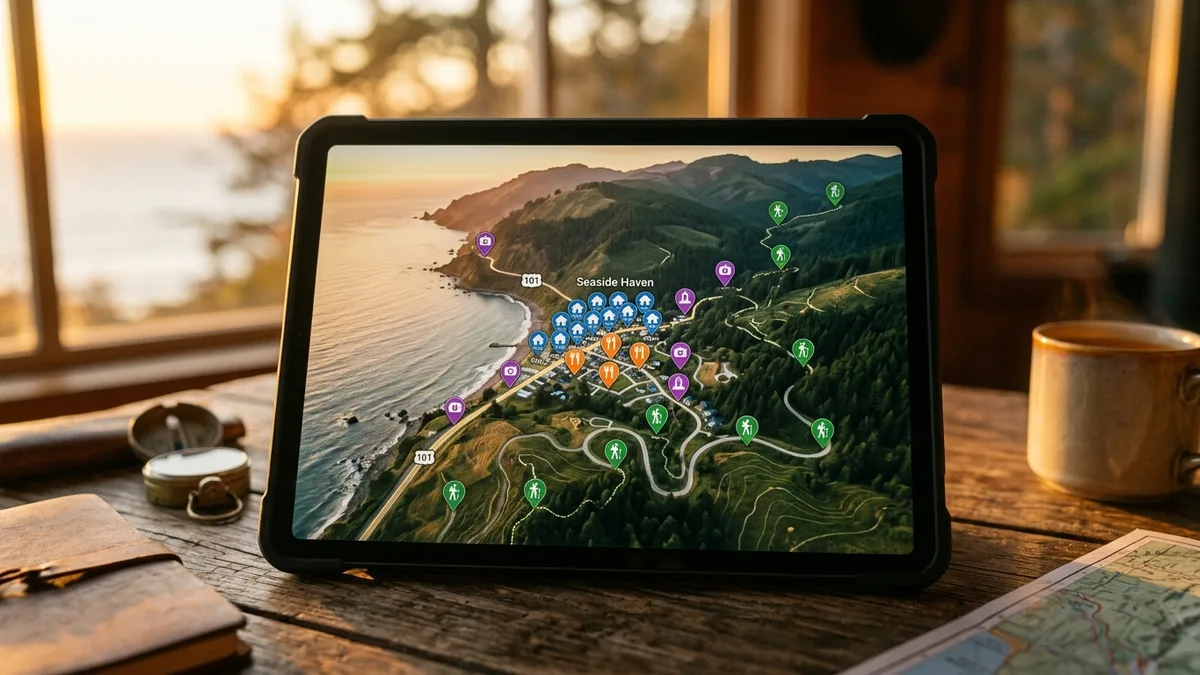
Google's vacation rental algorithm heavily weights local attraction proximity and activity integration in ranking calculations. Properties that create detailed content about nearby hiking trails, restaurants, attractions, and seasonal activities consistently outrank competitors with generic location descriptions. This goes far beyond basic local SEO into what we call "experiential authority" where your content demonstrates deep knowledge of guest experience possibilities.
At inkSTR, we've identified that booking intent signals carry more ranking weight for vacation rental searches than typical business metrics. Google tracks how visitors behave on vacation rental websites differently, monitoring metrics like property photo engagement, amenity page views, availability calendar interactions, and booking inquiry completion rates. These engagement patterns directly influence search rankings.
The guest journey content structure also affects rankings in ways that standard business SEO misses entirely. Successful vacation rental content follows a specific flow: destination appeal, property differentiation, amenity highlights, local experience integration, and booking conversion. Content that misses any element of this journey typically ranks lower regardless of technical optimization.
Most importantly, Google rewards vacation rental content that demonstrates genuine operational expertise through specific details about guest experiences, property management insights, and local knowledge that only active STR operators possess.
Ready to automate your content marketing?
inkSTR handles keyword research, content strategy, article writing, and publishing, all on autopilot.
How Seasonal Search Patterns Affect Vacation Rental Rankings
Seasonal search patterns create unique ranking opportunities for vacation rental operators because Google's algorithm adapts content relevance based on booking cycles, local events, and travel seasonality that affects search behavior. Understanding these patterns allows you to optimize content timing for maximum ranking impact during peak booking periods.
The manual approach to seasonal SEO involves tracking search volume changes throughout the year, creating separate content for each season, optimizing existing pages for seasonal keywords, and timing content publication to match booking patterns. This typically requires maintaining 4-6 versions of key pages and constant content updates that consume 15-20 hours monthly.
inkSTR's seasonal optimization system automatically adjusts your content based on booking patterns and search trends in your market. Our platform generates season-specific content versions, optimizes publication timing for booking windows, and updates existing pages with seasonal keywords and activities without manual intervention.
Summer mountain cabin content emphasizes hiking, fishing, and outdoor activities, while winter versions focus on cozy amenities, holiday attractions, and winter sports. Google recognizes these seasonal relevance signals and adjusts rankings accordingly, rewarding properties with timely, season-appropriate content.
The most effective vacation rental SEO strategies create content clusters around seasonal themes while maintaining year-round booking potential through comprehensive local attraction coverage and amenity highlighting that appeals to different seasonal guest personas.
Local Attraction Integration for Higher Search Rankings
Local attraction integration represents the biggest missed opportunity in vacation rental SEO because most operators treat location content as an afterthought rather than a primary ranking strategy. Google heavily rewards vacation rental content that demonstrates comprehensive local knowledge through detailed attraction descriptions, activity recommendations, and experience integration that helps travelers make booking decisions.
The challenge with manual attraction content creation is researching accurate information, maintaining current details, writing engaging descriptions, and connecting attractions to your property's unique advantages. This process typically requires 8-12 hours monthly and often results in generic attraction lists that provide no ranking advantage.
We built inkSTR's local content generation specifically to solve this challenge. Our platform creates detailed attraction guides, activity recommendations, and experience integration content that positions your property as the ideal base for local exploration while incorporating booking conversion elements throughout.
Effective attraction integration goes beyond listing nearby activities to explaining why your specific property enhances the guest experience for each attraction. Proximity to hiking trailheads, walking distance to restaurants, hot tub access after outdoor activities, and pet-friendly policies for dog-friendly attractions all become ranking factors when properly integrated into content.
Google's algorithm recognizes when vacation rental content provides genuine value for trip planning versus generic attraction descriptions, rewarding properties that demonstrate operational knowledge and guest experience expertise through specific, actionable local insights.
Content Structure That Converts Browsers Into Bookers
Content structure for vacation rental rankings must address the complete guest journey from destination research to booking confirmation, with each section designed to advance potential guests toward reservation while providing the comprehensive information Google's algorithm expects from authoritative vacation rental content.
Most vacation rental websites fail at content conversion because they focus on property features without connecting amenities to guest experiences, local activities, or booking value propositions. Generic content about "spacious bedrooms" and "fully equipped kitchens" ranks poorly because it doesn't differentiate your property or address specific guest concerns about location, activities, or booking terms.
inkSTR's content architecture system creates conversion-optimized structures that rank well while driving bookings. Our platform generates content that flows from destination appeal through property advantages to booking incentives, using proven frameworks that consistently outperform generic vacation rental content in both search rankings and conversion rates.
The most effective vacation rental content structure includes destination context, property differentiation, amenity benefits, local experience integration, guest testimonial evidence, and clear booking pathways. Each element supports both ranking factors and conversion optimization, creating content that performs well in search while generating reservation inquiries.
Google's ranking algorithm recognizes content that successfully guides visitors toward booking actions through engagement metrics, time on page, and conversion signals that indicate content quality and business relevance.
Mobile Optimization Impact on Vacation Rental Search Rankings
Mobile optimization critically affects vacation rental search rankings because over 75% of vacation rental searches occur on mobile devices, and Google's algorithm heavily penalizes properties with poor mobile booking experiences through reduced search visibility and lower ranking positions.
The technical requirements for mobile vacation rental optimization include fast loading speeds, touch-friendly booking interfaces, readable property photos, easy navigation between amenities and local attractions, and streamlined contact forms that work reliably on smartphones. Manual optimization requires ongoing testing across multiple devices and frequent updates that typically demand technical expertise most operators lack.
inkSTR ensures mobile optimization through automated responsive design, optimized image loading, mobile-friendly content formatting, and booking conversion elements that perform consistently across all devices. Our platform eliminates the technical complexity of mobile optimization while maintaining the user experience quality that Google's algorithm rewards with higher rankings.
Mobile vacation rental searches often include immediate booking intent, with travelers comparing properties while traveling or making last-minute booking decisions. Google recognizes these behavioral patterns and ranks mobile-optimized vacation rental content higher for location-based searches that indicate immediate booking opportunity.
The most successful vacation rental mobile optimization strategies focus on booking conversion pathway simplification while maintaining comprehensive property and location information that supports ranking factors for competitive vacation rental searches.
Frequently Asked Questions
How long does it take to see SEO results from vacation rental blogging?
Vacation rental SEO results typically appear within 3-6 months for local searches and 6-12 months for competitive destination keywords. However, seasonal factors significantly affect this timeline, with peak booking season content often ranking faster than off-season optimization efforts. Consistent content publishing accelerates results, which is why inkSTR automates the entire content creation process to maintain ranking momentum.
What's the difference between content for OTA listings and direct booking websites?
OTA listings focus on amenity highlights and booking conversion within platform constraints, while direct booking website content emphasizes comprehensive local expertise, detailed property experiences, and booking value propositions that differentiate your property from OTA options. Direct booking content should demonstrate local authority and operational expertise that OTA platforms can't replicate.
How often should I publish new content for my vacation rental website?
Successful vacation rental websites typically publish 1-2 comprehensive blog posts weekly, with seasonal content updates and local attraction coverage maintaining consistent publication schedules. Manual content creation at this frequency requires 15-20 hours weekly, which is why most operators benefit from automated systems like inkSTR that maintain publishing consistency without time investment.
Can I use the same content across multiple property websites?
Using identical content across multiple vacation rental websites creates duplicate content penalties that hurt search rankings for all properties. Each property needs unique content that highlights specific location advantages, amenity combinations, and guest experience opportunities. inkSTR creates property-specific content variations that avoid duplication while maintaining consistent quality and local optimization.
What types of local content work best for vacation rental SEO?
Activity guides, restaurant recommendations, seasonal attraction highlights, and experience integration content consistently rank highest for vacation rental searches. Content should demonstrate operational knowledge through specific details about guest experiences, proximity advantages, and activity access that only local STR operators would know.
How do I measure if my content is actually driving bookings?
Track organic traffic to property pages, email signups from blog content, booking inquiries with specific content references, and direct booking conversion rates from organic search traffic. Google Analytics and Search Console provide essential data, but comprehensive tracking requires integrated systems that connect content performance to booking revenue.
Should I write content myself or hire a professional service?
Professional content services consistently outperform DIY efforts for vacation rental SEO because they understand industry-specific optimization requirements and maintain publication consistency that most operators can't sustain manually. The time investment for quality DIY content typically exceeds 15-20 hours weekly, making automation tools like inkSTR more cost-effective than manual approaches.
Conclusion
Ranking on Google as a vacation rental operator requires understanding the unique search behaviors, seasonal patterns, and booking intent signals that differentiate STR searches from typical business queries. Success comes from creating content that demonstrates local expertise, addresses guest journey needs, and maintains consistent optimization across seasonal booking cycles.
The manual approach to vacation rental SEO demands expertise in keyword research, seasonal optimization, local attraction integration, mobile optimization, and conversion-focused content creation that typically requires 15-20 hours weekly to execute effectively. Most operators who attempt DIY SEO abandon their efforts within 3-4 months when the time commitment conflicts with property management responsibilities.
Ready to implement vacation rental SEO that actually drives direct bookings? inkSTR automates the entire content creation and optimization process, generating SEO-optimized blog posts, local attraction guides, and booking conversion content while you focus on guest experiences. Start your free trial and publish your first ranking-optimized vacation rental content this week.

Enjoyed this article? Share it:
Get more of inkSTR in Google Search
Add inkstr.co as a preferred source and our articles show up more in Top Stories, AI Overviews, and AI Mode — with a “Preferred” badge.
Get more guides like this
New SEO and AI-search guides, straight to your inbox. No spam, unsubscribe anytime.